

As a supplier of Amorphous Alloy Transformers, I often get asked about the certifications that these transformers should have. In this blog post, I'll delve into the key certifications that are crucial for amorphous alloy transformers, explaining why they matter and how they ensure the quality and safety of our products.
I. Understanding Amorphous Alloy Transformers
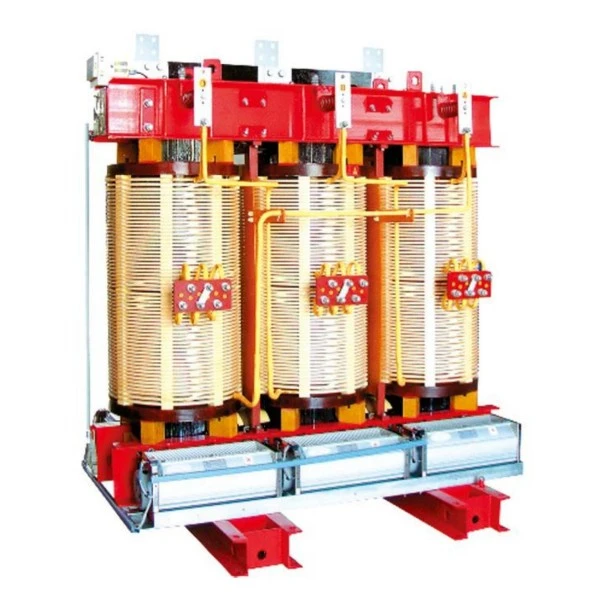
Amorphous alloy transformers are a type of power transformer that uses amorphous metal in the core. This material has unique magnetic properties that result in significantly lower core losses compared to traditional silicon steel transformers. These transformers are widely used in various applications, from industrial settings to residential areas, due to their energy - efficiency and environmental benefits. You can learn more about Amorphous Alloy Transformer on our website.
II. Key Certifications for Amorphous Alloy Transformers
A. International Electrotechnical Commission (IEC) Standards
The IEC is a global organization that develops and publishes international standards for all electrical, electronic, and related technologies. For amorphous alloy transformers, several IEC standards are particularly relevant:
-
IEC 60076 Series
- This series of standards covers power transformers. IEC 60076 - 1 provides general requirements for power transformers, including their classification, ratings, and performance characteristics. For amorphous alloy transformers, this standard ensures that the transformer is designed and manufactured to meet basic electrical and mechanical requirements.
- IEC 60076 - 2 focuses on temperature rise. Since amorphous alloy transformers are known for their energy - efficiency, proper temperature management is crucial. This standard helps to ensure that the transformer operates within safe temperature limits, which is essential for its long - term reliability.
- IEC 60076 - 3 deals with insulation levels and dielectric tests. Amorphous alloy transformers need to have proper insulation to prevent electrical breakdown. This standard specifies the test methods and requirements for the insulation system of the transformer.
-
IEC 61000 Series
- This series is related to electromagnetic compatibility (EMC). Amorphous alloy transformers, like all electrical equipment, can generate electromagnetic interference (EMI). The IEC 61000 series sets limits and test methods for EMI, ensuring that the transformer does not cause interference to other electrical devices in its vicinity. This is important for the proper functioning of the entire electrical system.
B. National Standards
In addition to international standards, national standards also play a significant role in the certification of amorphous alloy transformers.
- China National Standards
- In China, the GB standards are widely used. For example, GB/T 22072 - 2008 specifies the technical requirements for amorphous alloy distribution transformers. This standard includes requirements for electrical performance, mechanical properties, and environmental adaptability. Our SH21 Amorphous Alloy Transformer complies with these national standards, ensuring high - quality performance in the Chinese market.
- European Standards
- In Europe, the EN standards are relevant. EN 60076 series is similar to the IEC 60076 series but is adapted to the European market. These standards ensure that the transformers meet the specific requirements of the European electrical grid and regulatory environment.
C. Energy - Efficiency Certifications
Given the energy - saving nature of amorphous alloy transformers, energy - efficiency certifications are of great importance.
- IEEC (International Energy Efficiency Certification)
- This certification assesses the energy efficiency of electrical equipment, including transformers. Amorphous alloy transformers, with their low core losses, are well - positioned to meet the high - level energy - efficiency requirements of the IEEC. This certification is recognized globally and can be a significant selling point for our products in international markets.
- Local Energy - Efficiency Labels
- Different countries and regions may have their own energy - efficiency labels. For example, in some regions, there are labels that indicate the energy - saving level of a transformer. These labels help consumers easily identify the most energy - efficient products and make informed purchasing decisions.
III. Benefits of Having Certifications
A. Quality Assurance
Certifications are a clear indication that the amorphous alloy transformers have been tested and meet specific quality standards. This gives customers confidence in the product's performance, reliability, and safety. For example, when a transformer is certified according to IEC standards, it means that it has undergone rigorous testing for electrical performance, insulation, and temperature rise.
B. Market Access
Many countries and regions have regulatory requirements for electrical equipment, including transformers. Having the necessary certifications is often a prerequisite for entering these markets. For instance, if we want to sell our transformers in Europe, compliance with EN standards is essential. Without these certifications, our products may be prohibited from being sold in certain markets.
C. Environmental Sustainability
Energy - efficiency certifications highlight the environmental benefits of amorphous alloy transformers. By using these transformers, customers can reduce their energy consumption and carbon footprint. This is in line with the global trend towards sustainable development and can enhance the reputation of both the supplier and the end - user.
IV. Our Commitment to Certifications
As a supplier of amorphous alloy transformers, we are committed to ensuring that all our products meet the highest certification standards. We have a dedicated quality control team that oversees the entire manufacturing process, from raw material inspection to final product testing. Our Low Power Voltage Transformer also undergoes strict quality checks to ensure compliance with relevant certifications.
We regularly update our manufacturing processes and product designs to keep up with the latest standards and technological advancements. This allows us to offer our customers the most advanced and reliable amorphous alloy transformers on the market.
V. Contact Us for Procurement
If you are interested in purchasing amorphous alloy transformers, we invite you to contact us for further discussions. Our team of experts is ready to provide you with detailed information about our products, including their features, performance, and certifications. We can also offer customized solutions to meet your specific requirements.

References
- International Electrotechnical Commission (IEC). IEC 60076 series.
- China National Standards. GB/T 22072 - 2008.
- European Committee for Electrotechnical Standardization (CENELEC). EN 60076 series.
- International Energy Efficiency Certification (IEEC) guidelines.