

As a supplier of medium power transformers, I often get asked which type is more suitable for indoor use: oil-immersed or dry-type. It's a question that doesn't have a one-size-fits-all answer, as both types have their own unique advantages and disadvantages. In this blog post, I'll break down the key differences between oil-immersed and dry-type medium power transformers, and help you decide which type is the best fit for your indoor application.
The Basics of Oil-Immersed and Dry-Type Transformers
Let's start with the basics. Oil-immersed transformers use oil as a coolant and insulator. The oil helps to dissipate heat generated by the transformer and provides electrical insulation between the windings. These transformers are typically housed in a tank filled with oil, which is sealed to prevent leakage.
On the other hand, dry-type transformers do not use oil. Instead, they rely on air or a solid insulation material to cool and insulate the windings. Dry-type transformers are often used in indoor applications where there is a risk of fire or environmental concerns.
Advantages of Oil-Immersed Transformers
Oil-immersed transformers have several advantages that make them a popular choice for indoor use.
1. High Efficiency
Oil has excellent heat transfer properties, which allows oil-immersed transformers to operate at a lower temperature compared to dry-type transformers. This results in higher efficiency and lower energy losses.
2. Longevity
Oil-immersed transformers are known for their long service life. The oil provides a protective barrier against moisture and oxidation, which helps to extend the life of the transformer.
3. High Power Capacity
Oil-immersed transformers can handle higher power loads compared to dry-type transformers. This makes them suitable for applications that require a large amount of power, such as industrial facilities and commercial buildings.
Disadvantages of Oil-Immersed Transformers
However, oil-immersed transformers also have some disadvantages.
1. Fire Hazard
Oil is flammable, which means that there is a risk of fire if the transformer is not properly maintained. This can be a concern in indoor applications, especially in areas where there are strict fire safety regulations.
2. Environmental Concerns
Oil can be a pollutant if it leaks into the environment. This can have a negative impact on the environment and may require costly cleanup efforts.
3. Maintenance Requirements
Oil-immersed transformers require regular maintenance to ensure that the oil is clean and free of contaminants. This includes oil sampling, filtration, and replacement.
Advantages of Dry-Type Transformers
Dry-type transformers also have several advantages that make them a good choice for indoor use.

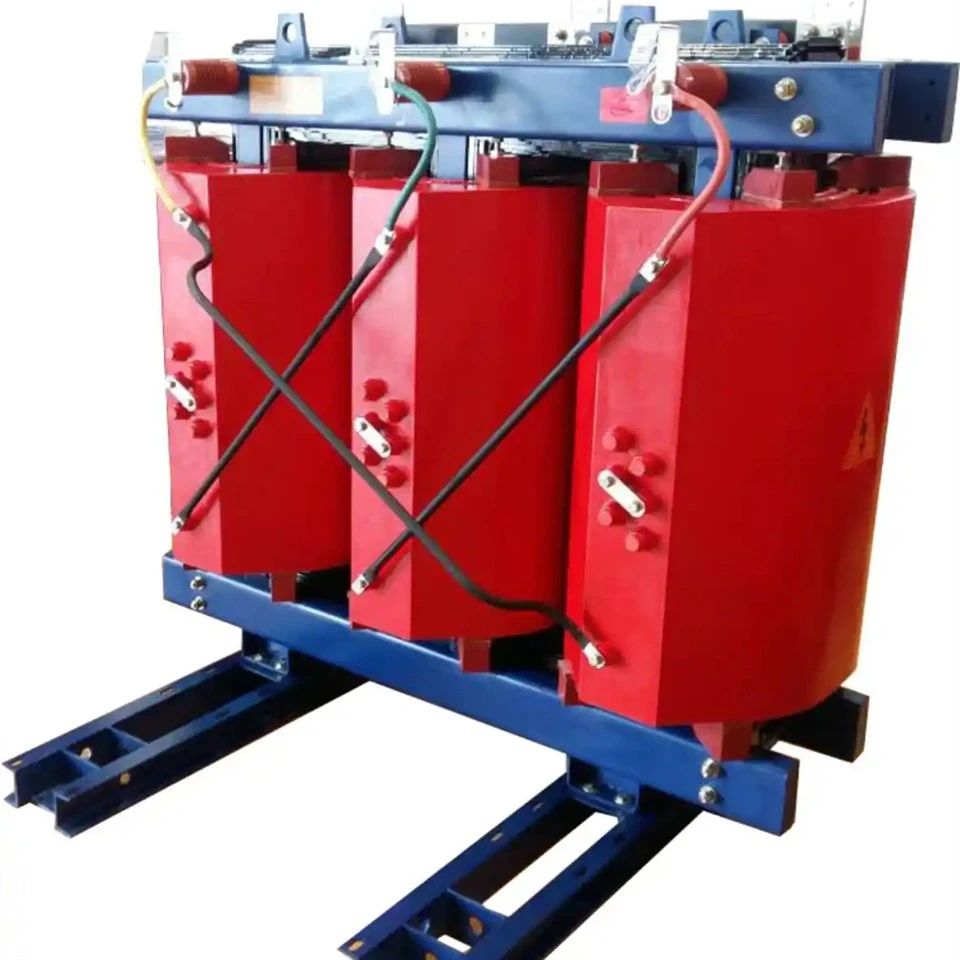
1. Fire Safety
Dry-type transformers do not use oil, which means that there is no risk of fire due to oil leakage. This makes them a safer option for indoor applications, especially in areas where fire safety is a concern.
2. Environmental Friendliness
Dry-type transformers are more environmentally friendly compared to oil-immersed transformers. They do not use oil, which means that there is no risk of oil leakage and pollution.
3. Low Maintenance
Dry-type transformers require less maintenance compared to oil-immersed transformers. They do not need to have their oil changed or filtered, which reduces the maintenance costs and downtime.
Disadvantages of Dry-Type Transformers
However, dry-type transformers also have some disadvantages.
1. Lower Efficiency
Dry-type transformers have a lower efficiency compared to oil-immersed transformers. This is because air or solid insulation materials are not as effective at transferring heat as oil.
2. Limited Power Capacity
Dry-type transformers have a limited power capacity compared to oil-immersed transformers. This makes them less suitable for applications that require a large amount of power.
3. Higher Cost
Dry-type transformers are generally more expensive compared to oil-immersed transformers. This is due to the higher cost of the insulation materials and the more complex manufacturing process.
Which Type is More Suitable for Indoor Use?
So, which type of transformer is more suitable for indoor use? The answer depends on several factors, including the specific application, the power requirements, the fire safety regulations, and the environmental concerns.
If you need a transformer with high power capacity and efficiency, and fire safety is not a major concern, then an oil-immersed transformer may be the best choice. However, if fire safety is a top priority, or if you are concerned about the environmental impact of the transformer, then a dry-type transformer may be a better option.
It's also important to consider the maintenance requirements and the cost of the transformer. Oil-immersed transformers require more maintenance and may have a higher upfront cost, but they may also have a longer service life. Dry-type transformers require less maintenance and may have a lower upfront cost, but they may also have a shorter service life.
Our Products and Services
As a medium power transformer supplier, we offer a wide range of oil-immersed and dry-type transformers to meet the needs of our customers. Our transformers are designed to be reliable, efficient, and safe, and we provide comprehensive after-sales support to ensure that our customers are satisfied with their purchase.
If you are interested in learning more about our products and services, or if you have any questions about which type of transformer is more suitable for your indoor application, please don't hesitate to contact us. We would be happy to help you find the right transformer for your needs.
Related Products
If you're interested in other types of transformers, we also offer High Voltage High Frequency Transformer, 35kv Power Transformer, and Amorphous Alloy Transformer. These products are designed to meet the specific needs of different applications and industries.
Conclusion
In conclusion, both oil-immersed and dry-type medium power transformers have their own unique advantages and disadvantages. The choice between the two depends on several factors, including the specific application, the power requirements, the fire safety regulations, and the environmental concerns.
If you're still unsure which type of transformer is right for your indoor application, don't hesitate to contact us. We're here to help you make the best decision for your needs. Whether you choose an oil-immersed or dry-type transformer, you can be confident that you're getting a high-quality product from a trusted supplier.
References
- IEEE Standard C57.12.00-2010, Standard Requirements for Liquid-Immersed Distribution, Power, and Regulating Transformers
- IEEE Standard C57.12.91-2011, Standard Test Code for Dry-Type Distribution and Power Transformers
- National Fire Protection Association (NFPA) 70, National Electrical Code (NEC)