

In the realm of electrical power systems, power secondary equipment plays a pivotal role in ensuring the safety, reliability, and efficient operation of power grids. As a reputable power secondary equipment supplier, I am thrilled to delve into the various types of commonly used power secondary equipment that we offer to meet the diverse needs of the energy sector.
1. Protection Relays
Protection relays are the backbone of power system protection. They are designed to detect abnormal conditions such as short - circuits, overloads, and faults in the power network and initiate appropriate actions to isolate the affected parts. These relays continuously monitor electrical parameters like current, voltage, and frequency.
Our company offers a wide range of protection relays, from simple over - current relays to more sophisticated digital relays with advanced communication capabilities. Digital protection relays can be programmed to adapt to different system configurations, providing flexibility and enhanced protection. They can also transmit real - time data to control centers, enabling quick decision - making during fault situations.
When a fault occurs, the protection relay sends a tripping signal to the circuit breaker, which then isolates the faulty section. This helps prevent damage to expensive electrical equipment and reduces the impact on the overall power grid. For instance, in a distribution network, over - current protection relays can protect transformers from damage caused by excessive current flow.
2. Measuring and Monitoring Instruments
Accurate measurement and monitoring of electrical parameters are essential for the proper operation of power systems. These instruments provide real - time information about voltage, current, power, energy, and other electrical quantities.
Voltmeters, ammeters, and wattmeters are some of the basic measuring instruments. Our high - precision digital measuring instruments offer better accuracy and readability compared to traditional analog meters. They are also equipped with features such as data logging and communication interfaces, allowing the collected data to be transmitted to monitoring stations.
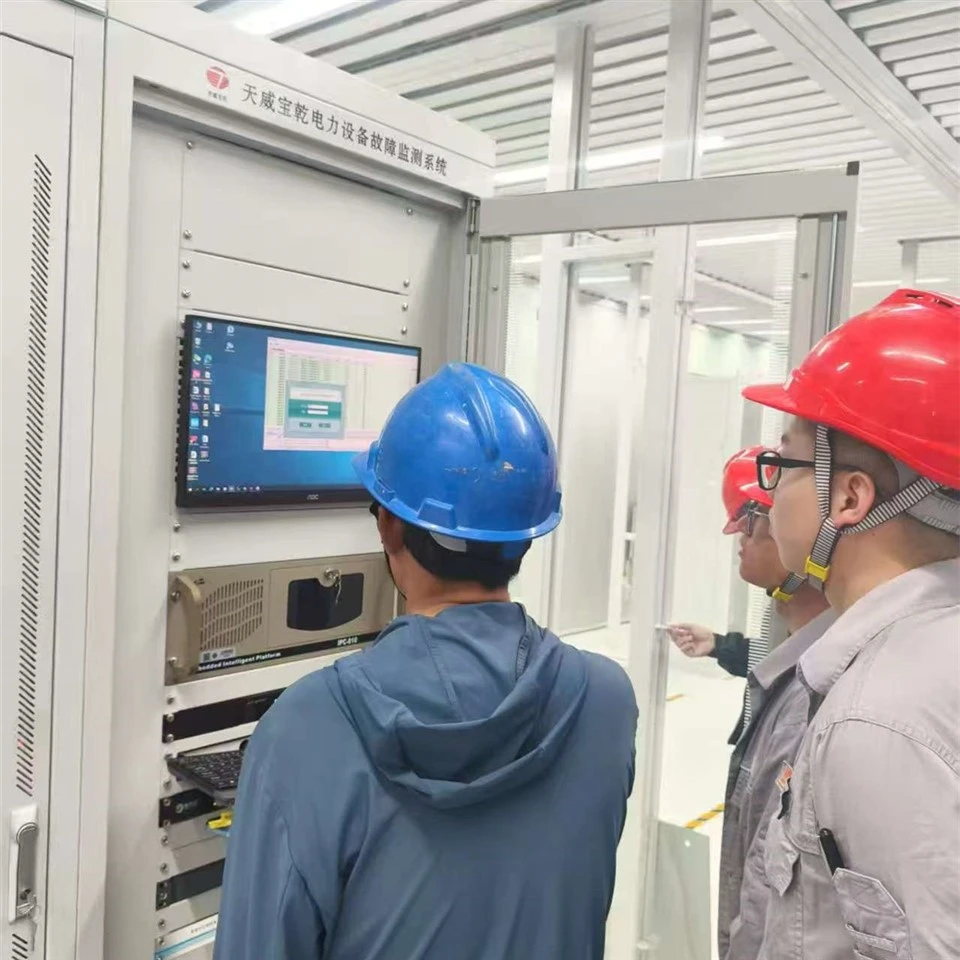
In addition to basic measuring instruments, we also supply advanced online monitoring systems. For example, the High - voltage Switchgear Online Monitoring System is designed to continuously monitor the operating status of high - voltage switchgear. It can detect early signs of faults, such as overheating and insulation deterioration, through the measurement of temperature, humidity, and partial discharge. This early detection helps prevent sudden switchgear failures and reduces maintenance costs.
3. Control Devices
Control devices are responsible for regulating the operation of electrical equipment in the power system. Circuit breakers, contactors, and relays are common control devices used in power secondary systems.
Circuit breakers are crucial for interrupting the flow of electrical current in case of a fault. They can be classified into different types based on their voltage level and operating mechanism, such as air circuit breakers, oil circuit breakers, and vacuum circuit breakers. Our high - quality circuit breakers are designed to have high breaking capacity and reliable operation. They can quickly and safely interrupt the current when a fault is detected, protecting the power system from damage.
Contactors are used to control the power supply to electrical motors and other large - load equipment. They can be remotely controlled, allowing for automation of industrial processes. Relays are used as control elements in logic circuits, providing functions such as signal amplification and switching.
4. Automation and Communication Systems
With the development of smart grid technology, automation and communication systems have become increasingly important in power secondary equipment. These systems enable remote control, monitoring, and management of power systems, improving operational efficiency and reducing human intervention.
Our automation systems integrate various functions, such as data acquisition, control, and protection. They can be customized according to the specific requirements of different power systems. The communication systems use advanced technologies such as Ethernet, fiber optics, and wireless communication to transmit data between different devices and control centers.
For example, a substation automation system can integrate protection relays, measuring instruments, and control devices, providing a unified platform for monitoring and controlling the substation. It can also communicate with the power grid control center through a communication network, enabling seamless coordination of power flow and fault management.
5. Cable Fault Location and Monitoring Systems
Power cables are an important part of the power distribution network. However, cable faults can occur due to various reasons, such as aging, insulation damage, and external factors. Our Cable Fault Location System is designed to quickly and accurately locate cable faults.
This system uses advanced signal processing and detection techniques to analyze the reflected signals in the cable. When a fault occurs, the system can determine the approximate location of the fault based on the time - domain reflectometry principle. By quickly locating the fault, the maintenance team can promptly repair the cable, reducing the outage time and minimizing the economic losses.
In addition to fault location, we also offer cable monitoring systems. These systems continuously monitor the insulation status of cables, detecting early signs of insulation deterioration. This helps preventive cable failures and ensures the long - term reliability of the power cable network.
6. Transformer Monitoring Systems
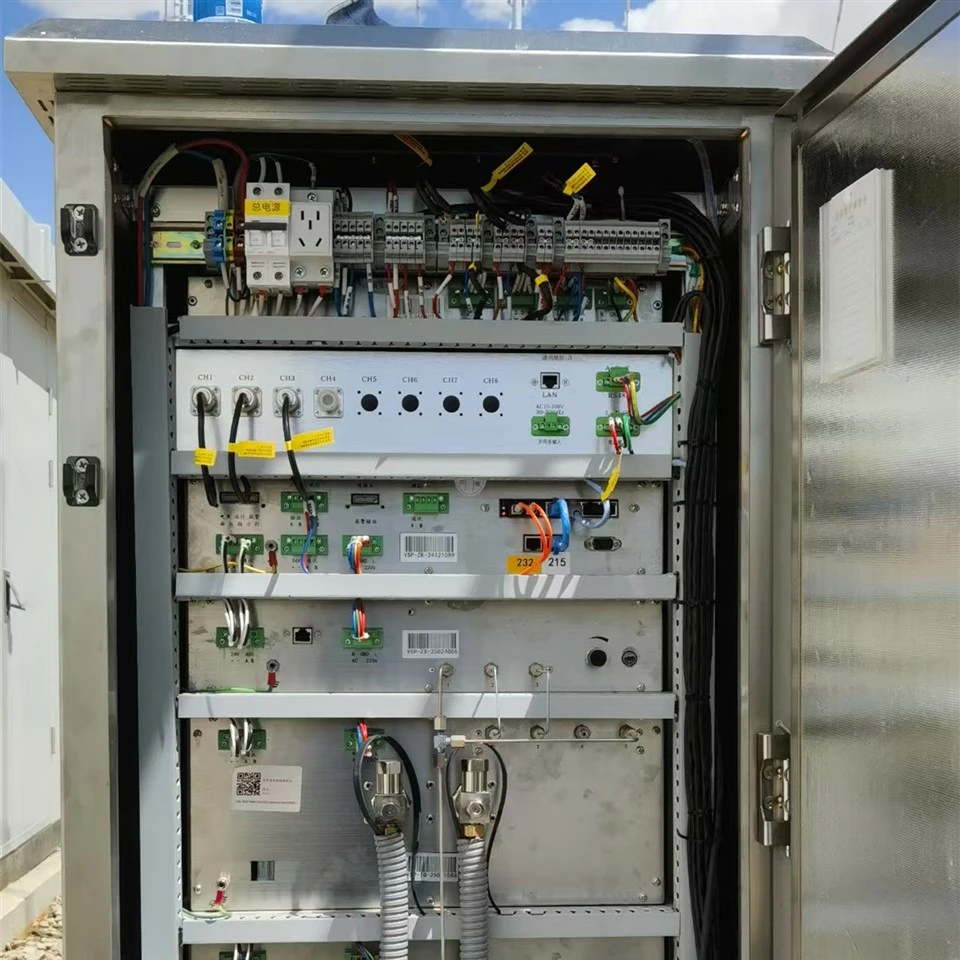
Transformers are key components in power systems, and their reliable operation is crucial for the overall stability of the grid. Our Transformer Oil Chromatography Online Monitoring System is a powerful tool for monitoring the health of transformers.
Transformer oil chromatography is an effective method for detecting incipient faults in transformers. By analyzing the dissolved gases in the transformer oil, we can identify potential problems such as overheating, arcing, and insulation breakdown. The online monitoring system continuously samples the transformer oil and analyzes the gas composition in real - time. If any abnormal gas levels are detected, an alarm is issued, allowing the maintenance team to take timely measures to prevent further damage to the transformer.
As a power secondary equipment supplier, we are committed to providing high - quality, reliable, and innovative products to our customers. Our comprehensive range of power secondary equipment can meet the different needs of power generation, transmission, and distribution systems. Whether you are a power utility company, an industrial enterprise, or a large - scale infrastructure project, we have the right solution for you.
If you are interested in our products or have any specific requirements for power secondary equipment, we invite you to contact us for in - depth purchasing negotiations. Our professional sales team is ready to provide you with detailed product information and customized solutions.
References
- Blackburn, J. L. "Protective Relaying: Principles and Applications". Marcel Dekker, Inc. 2000.
- Grover, W. D. "Underground Cable Engineering". IEEE Press. 1997.
- Stevenson, W. D. "Elements of Power System Analysis". McGraw - Hill. 1982.