

How to test the quality of the oil in a power transformer?
As a reputable power transformer supplier, I understand the critical role that the oil in a power transformer plays. The oil in a power transformer serves multiple essential functions. It acts as an insulating medium, preventing electrical breakdown between different components of the transformer. Additionally, it helps in dissipating heat generated during the operation of the transformer, ensuring its efficient and safe functioning. Therefore, regularly testing the quality of the oil is of utmost importance. By doing so, we can detect potential issues early on, prevent costly damages, and extend the lifespan of the transformer.
There are several key parameters to consider when testing the quality of power transformer oil. These tests provide valuable insights into the condition of the oil and the overall health of the transformer.
Electrical Tests
Dielectric Strength Test
The dielectric strength test is a fundamental electrical test for transformer oil. It measures the ability of the oil to withstand electrical stress without breaking down. A low dielectric strength indicates the presence of contaminants or moisture in the oil, which can lead to electrical arcing and eventually damage the transformer. To conduct this test, a sample of the oil is placed in a test cell with two electrodes. A gradually increasing voltage is applied between the electrodes until a breakdown occurs. The voltage at which breakdown happens is recorded as the dielectric strength of the oil. According to industry standards, the dielectric strength of healthy transformer oil should typically be above a certain threshold, usually around 30 - 40 kV for new oil.
Dissipation Factor Test
The dissipation factor, also known as the power factor, measures the energy losses in the oil when an alternating current is applied. A high dissipation factor suggests the presence of polar contaminants, oxidation products, or moisture in the oil. These contaminants can increase the electrical losses in the transformer, leading to overheating and reduced efficiency. The dissipation factor test is performed by applying an alternating voltage to the oil sample and measuring the ratio of the power dissipated in the oil to the apparent power. A low dissipation factor value is desirable, indicating good insulating properties of the oil.
Chemical Tests
Water Content Analysis
Water is one of the most common and detrimental contaminants in transformer oil. Even a small amount of water can significantly reduce the dielectric strength of the oil and accelerate the oxidation process. There are several methods to measure the water content in transformer oil, such as the Karl Fischer titration method. This method is highly accurate and can detect very low levels of water in the oil. Regular monitoring of the water content is crucial, as it allows for timely corrective actions, such as oil drying or replacement.
Acid Number Test
The acid number test measures the amount of acidic components in the transformer oil. Over time, the oil can oxidize, forming organic acids. High acid levels can cause corrosion of the transformer's internal components, such as the windings and core, and also reduce the insulating properties of the oil. The acid number is determined by titrating a sample of the oil with a standard alkali solution. A low acid number indicates that the oil is relatively stable and free from excessive oxidation.
Dissolved Gas Analysis (DGA)
Dissolved gas analysis is a powerful diagnostic tool for detecting incipient faults in power transformers. When a fault occurs inside the transformer, such as overheating, arcing, or partial discharge, it can cause the decomposition of the oil and generate various gases. By analyzing the types and concentrations of these dissolved gases in the oil, we can identify the nature and severity of the fault. For example, the presence of high levels of methane, ethane, and ethylene may indicate overheating, while the presence of acetylene is often associated with arcing. Regular DGA can help in predicting potential failures and taking preventive measures before a serious breakdown occurs.
Physical Tests
Viscosity Test
Viscosity is a measure of the oil's resistance to flow. It affects the oil's ability to circulate within the transformer and transfer heat effectively. A change in viscosity can be an indication of oil degradation, contamination, or the presence of additives. The viscosity of transformer oil is typically measured at a specific temperature, usually 40°C or 100°C, using a viscometer. The viscosity should remain within the specified range for the particular type of transformer oil to ensure proper operation.
Color and Appearance Inspection
A simple visual inspection of the oil's color and appearance can also provide valuable information about its quality. Fresh transformer oil is usually clear and light in color. A darkening of the oil or the presence of sediment or sludge may indicate oxidation, contamination, or the breakdown of the oil. Any significant change in the color or appearance of the oil should prompt further testing to determine the cause.
Flash Point Test
The flash point is the lowest temperature at which the oil gives off vapors that can ignite in the presence of an ignition source. A low flash point indicates the presence of volatile contaminants or a high degree of oil degradation. The flash point test is important for ensuring the safety of the transformer, as it helps to prevent the risk of fire or explosion. The test is typically performed using a closed - cup or open - cup apparatus, depending on the type of oil and the applicable standards.

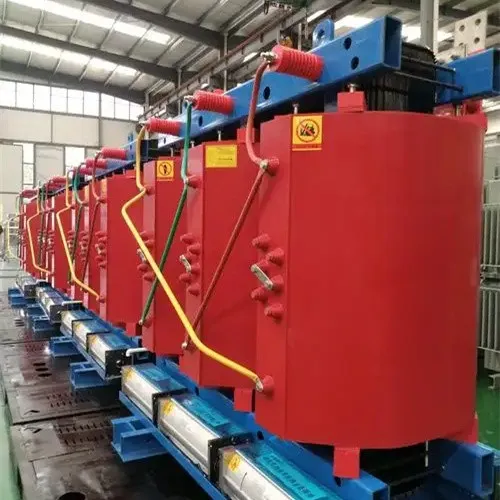
At our company, we offer a wide range of high - quality power transformers, including 35kv Power Transformer, High Voltage High Frequency Transformer and SH25 Amorphous Alloy Transformer. We also provide comprehensive support for oil testing and maintenance to ensure the optimal performance of our transformers. If you are interested in learning more about our power transformers or have any questions about oil testing, please feel free to contact us for further discussion and potential procurement.
References
- Electrical Insulation for Rotating Machines: Design, Evaluation, Aging, Testing, and Repair by G. C. Stone, E. A. Boulter, I. Culbert, and H. S. Dhirani
- Power Transformer Engineering: Design and Application by Lawrence E. Brown
- Transformer Oil: Properties, Testing, and Maintenance by various industry publication sources focused on power equipment maintenance.