

Storing spares for a compact substation is a crucial aspect of ensuring the smooth and efficient operation of electrical systems. As a compact substation supplier, I understand the importance of proper spare parts management. In this blog, I will share some valuable insights on how to store the spares for a compact substation effectively.
Understanding the Importance of Spare Parts Storage
Compact substations are essential components in electrical distribution networks, providing reliable power supply to various applications. Spare parts play a vital role in minimizing downtime in case of equipment failure. By having the right spares readily available, maintenance teams can quickly replace faulty components and restore the substation to normal operation. This not only reduces the impact on power supply but also helps in preventing potential damage to other parts of the system.
Identifying the Key Spares
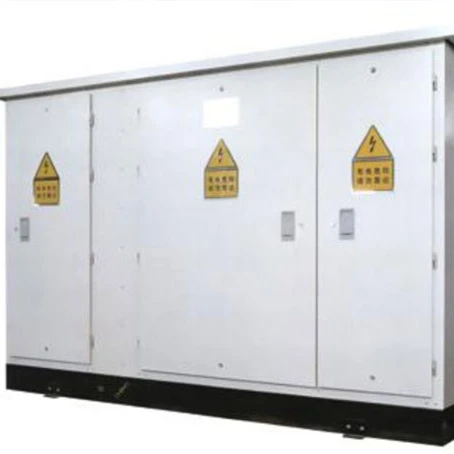
Before setting up a storage system, it is essential to identify the key spares that are required for a compact substation. This includes components such as circuit breakers, transformers, fuses, relays, and cables. The specific spares needed will depend on the type and configuration of the compact substation. For example, a Compact Transformer Substation may have different spare part requirements compared to a 1000 Kva Compact Substation.
Creating a Spare Parts Inventory
Once the key spares are identified, it is important to create a detailed inventory. This inventory should include information such as part names, part numbers, quantity on hand, reorder levels, and storage locations. A well - organized inventory system can help in quickly locating the required spares when needed. It also allows for better tracking of stock levels and helps in planning for future purchases.
Choosing the Right Storage Location
The storage location for spare parts should be carefully selected. It should be a clean, dry, and well - ventilated area to prevent damage to the components. The area should be protected from dust, moisture, and extreme temperatures. For example, sensitive electronic components may require a climate - controlled environment. Additionally, the storage location should be easily accessible to maintenance personnel to ensure quick retrieval of spares.
Organizing the Storage Area
The storage area should be organized in a logical manner. Spares can be grouped by type, size, or usage frequency. For example, small components like fuses and relays can be stored in labeled drawers, while larger items such as transformers can be stored on racks or pallets. Clear signage should be used to indicate the location of each type of spare part. This makes it easier for maintenance teams to find the required spares without wasting time searching.
Implementing a Stock Management System
A stock management system is essential for effective spare parts storage. This system can be manual or computer - based. A computer - based system offers several advantages, such as real - time tracking of stock levels, automatic reordering when stock reaches a certain level, and generating reports on spare parts usage. This helps in ensuring that the right spares are always available and reduces the risk of overstocking or understocking.
Protecting the Spares
Proper protection of spare parts is crucial to maintain their quality. Components should be stored in their original packaging whenever possible. If the original packaging is not available, appropriate protective covers or containers should be used. For example, metal components should be protected from rust by applying a rust - preventive coating. Electrical components should be protected from electrostatic discharge.
Regular Inspection and Maintenance
Regular inspection and maintenance of the stored spares are necessary. This includes checking for signs of damage, corrosion, or degradation. Components that show signs of wear or damage should be replaced or repaired as soon as possible. Additionally, the inventory should be regularly updated to reflect any changes in stock levels or part status.
Training the Maintenance Team
The maintenance team should be trained on the proper storage and handling of spare parts. They should be aware of the importance of following the storage procedures and the potential consequences of improper handling. Training can also include how to use the stock management system effectively and how to identify and troubleshoot common issues with the spares.

Considering the Future
When storing spares, it is important to consider future needs. As technology advances, the requirements for spare parts may change. Newer models of compact substations may require different components. Therefore, it is advisable to stay updated with the latest industry trends and plan for future upgrades or replacements.
Conclusion
Proper storage of spares for a compact substation is essential for ensuring the reliability and efficiency of the electrical system. By following the steps outlined above, including identifying key spares, creating an inventory, choosing the right storage location, organizing the storage area, implementing a stock management system, protecting the spares, conducting regular inspections, training the maintenance team, and considering future needs, you can effectively manage the spare parts for your compact substation.
If you are in the market for a compact substation or need advice on spare parts management, we are here to help. Our team of experts can provide you with the best solutions tailored to your specific requirements. Whether you are interested in a Compact Transformer Substation, a 1000 Kva Compact Substation, or an Intelligent Prefabricated Substation, we have the knowledge and experience to meet your needs. Contact us today to start a discussion about your procurement requirements.
References
- Electrical Equipment Maintenance Handbook
- Compact Substation Design and Operation Guidelines