

In the realm of electrical power systems, oil-immersed transformers play a pivotal role in ensuring the efficient and reliable transmission and distribution of electricity. As an oil-immersed transformer supplier, we understand the importance of maintaining the health and performance of these critical assets. One of the most effective ways to achieve this is through online monitoring. In this blog post, we will explore how to implement online monitoring for oil-immersed transformers, highlighting the benefits, key parameters to monitor, and the steps involved in setting up an effective monitoring system.
Benefits of Online Monitoring for Oil-Immersed Transformers
Online monitoring offers numerous advantages for oil-immersed transformers, making it an essential tool for power utilities and industrial users alike. Here are some of the key benefits:

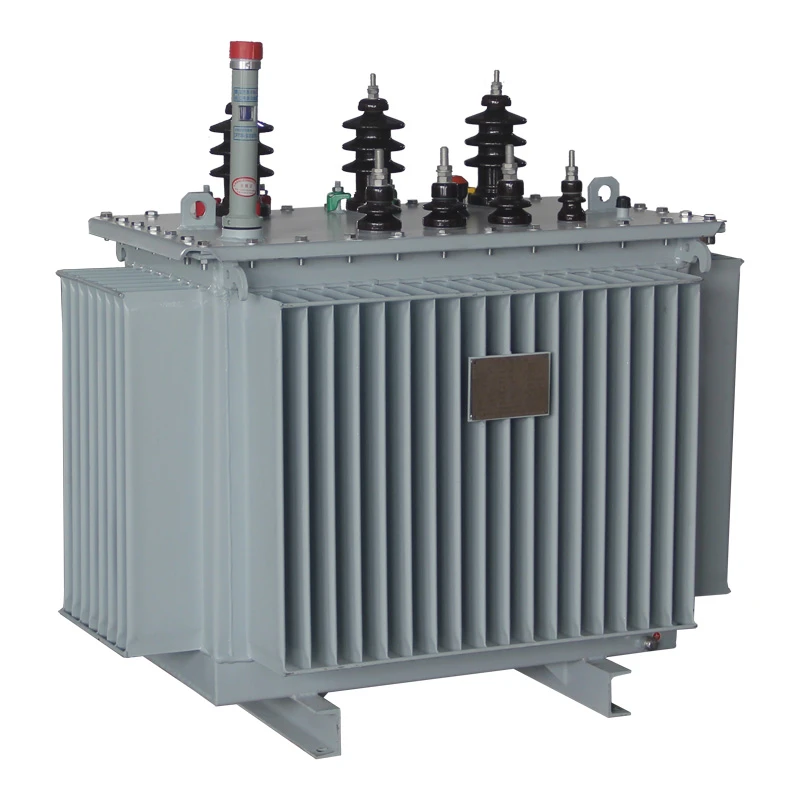
- Early Fault Detection: By continuously monitoring key parameters, online monitoring systems can detect early signs of potential faults, such as overheating, insulation degradation, or partial discharges. This allows for timely maintenance and repairs, preventing costly breakdowns and minimizing downtime.
- Improved Asset Management: Online monitoring provides real-time data on the condition of the transformer, enabling operators to make informed decisions about maintenance schedules, load management, and asset replacement. This helps to optimize the performance and lifespan of the transformer, reducing overall operating costs.
- Enhanced Safety: Monitoring the condition of the transformer in real-time helps to identify safety hazards, such as excessive temperature or pressure, and take appropriate measures to prevent accidents. This ensures the safety of personnel and equipment, and reduces the risk of environmental damage.
- Remote Monitoring and Control: Online monitoring systems can be accessed remotely, allowing operators to monitor the transformer's condition from anywhere in the world. This enables quick response to any issues that may arise, and reduces the need for on-site inspections.
Key Parameters to Monitor
To effectively monitor the condition of an oil-immersed transformer, several key parameters need to be continuously monitored. These parameters provide valuable insights into the health and performance of the transformer, and can help to detect potential issues before they become serious problems. Here are some of the key parameters to monitor:
- Temperature: Monitoring the temperature of the transformer windings and oil is crucial for detecting overheating, which can lead to insulation degradation and reduced lifespan. Temperature sensors can be installed at various locations within the transformer to provide accurate temperature readings.
- Oil Level and Quality: The oil level and quality in the transformer are important indicators of its condition. Low oil levels can indicate a leak, while poor oil quality can lead to insulation breakdown and other issues. Oil level sensors and oil quality analyzers can be used to monitor these parameters.
- Dissolved Gas Analysis (DGA): DGA is a powerful technique for detecting incipient faults in oil-immersed transformers. By analyzing the gases dissolved in the transformer oil, it is possible to identify the type and severity of the fault, and take appropriate measures to prevent further damage.
- Partial Discharge (PD) Monitoring: PD is a common cause of insulation degradation in oil-immersed transformers. By monitoring PD activity, it is possible to detect early signs of insulation damage and take corrective action before it leads to a breakdown.
- Load Current and Voltage: Monitoring the load current and voltage of the transformer helps to ensure that it is operating within its rated capacity. Excessive load can cause overheating and other issues, while low voltage can affect the performance of the transformer.
Steps to Implement Online Monitoring
Implementing online monitoring for oil-immersed transformers involves several steps, from selecting the appropriate monitoring equipment to integrating the monitoring system with the existing infrastructure. Here are the key steps involved in setting up an effective online monitoring system:
- Define Monitoring Requirements: The first step is to define the monitoring requirements based on the specific needs of the transformer and the application. This includes identifying the key parameters to monitor, the frequency of monitoring, and the level of accuracy required.
- Select Monitoring Equipment: Once the monitoring requirements have been defined, the next step is to select the appropriate monitoring equipment. This includes sensors, analyzers, and data acquisition systems that are capable of measuring the key parameters accurately and reliably.
- Install Monitoring Equipment: After selecting the monitoring equipment, it needs to be installed at the appropriate locations within the transformer. This may involve drilling holes, mounting sensors, and connecting cables. It is important to ensure that the installation is done correctly to avoid any interference with the normal operation of the transformer.
- Configure the Monitoring System: Once the monitoring equipment is installed, it needs to be configured to collect and analyze the data. This includes setting up the data acquisition system, defining the monitoring parameters, and establishing the communication protocols.
- Integrate with Existing Infrastructure: The online monitoring system needs to be integrated with the existing infrastructure, such as the SCADA system or the control room. This allows for real-time monitoring and control of the transformer, and enables operators to receive alerts and notifications in case of any issues.
- Train Operators: Finally, it is important to train the operators on how to use the online monitoring system effectively. This includes providing training on the operation of the monitoring equipment, the interpretation of the data, and the response to alerts and notifications.
Conclusion
Online monitoring is a powerful tool for ensuring the health and performance of oil-immersed transformers. By continuously monitoring key parameters, it is possible to detect early signs of potential faults, take timely maintenance and repairs, and optimize the performance and lifespan of the transformer. As an oil-immersed transformer supplier, we are committed to providing our customers with the latest technology and solutions for online monitoring. We offer a range of monitoring equipment and services that are designed to meet the specific needs of our customers. If you are interested in learning more about how to implement online monitoring for your oil-immersed transformers, please visit our website at Oil Immersed Distribution Transformer, Oil Immersed Self Cooled Transformer, or Oil Immersed Type Transformer to explore our products and services. We look forward to working with you to ensure the reliable and efficient operation of your transformers.
References
- IEEE Standard C57.104 - Guide for the Interpretation of Gases Generated in Oil-Immersed Transformers
- IEC 60599 - Mineral oil-filled electrical equipment in service - Guide to the interpretation of dissolved and free gases analysis
- IEEE Standard C57.12.00 - Standard General Requirements for Liquid-Immersed Distribution, Power, and Regulating Transformers