

What are the materials used for the core of an Oil Immersed Type Transformer?
As a supplier of Oil Immersed Type Transformers, I am often asked about the materials used for the core of these transformers. The core is a crucial component of an oil - immersed transformer, as it plays a significant role in the efficient transfer of electrical energy. In this blog, I will delve into the materials commonly used for the core of oil - immersed transformers and their properties.
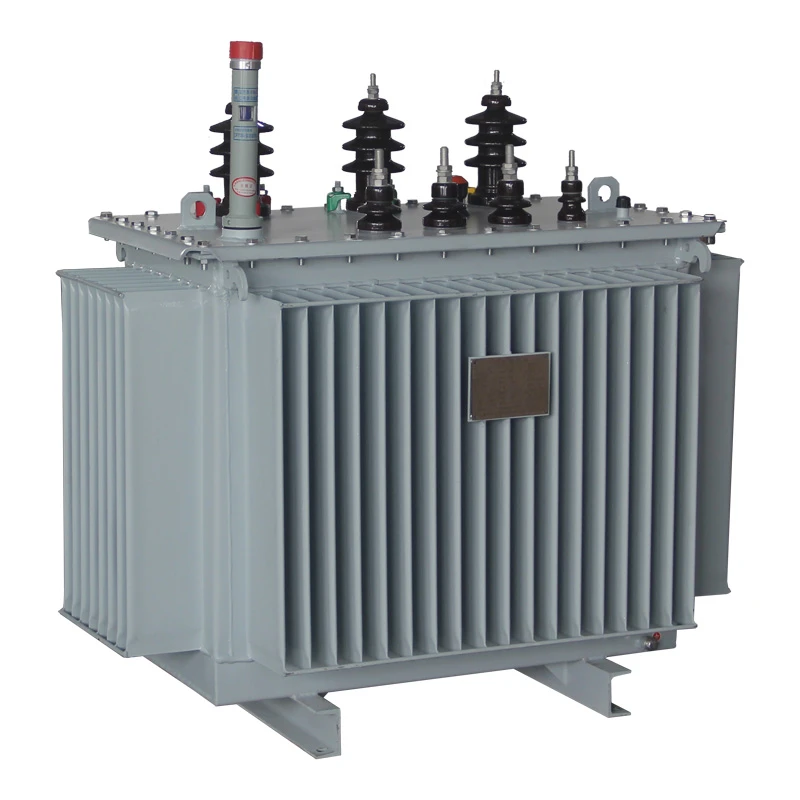

1. Silicon Steel
Silicon steel is the most widely used material for the core of oil - immersed transformers. It is an alloy of iron and silicon, with silicon content typically ranging from 2% to 4.5%. The addition of silicon to iron has several important effects on the magnetic properties of the material.
One of the key advantages of silicon steel is its low core loss. Core loss is the energy dissipated as heat in the core due to the alternating magnetic field. Low core loss means that less energy is wasted as heat, resulting in higher transformer efficiency. This is particularly important for oil - immersed transformers, which are often used in high - power applications where even a small improvement in efficiency can lead to significant energy savings over time.
Silicon steel also has high magnetic permeability. Magnetic permeability is a measure of how easily a material can be magnetized. A high magnetic permeability allows the core to efficiently conduct the magnetic flux, which is essential for the transfer of electrical energy between the primary and secondary windings of the transformer.
Another benefit of silicon steel is its good mechanical properties. It is relatively strong and can withstand the mechanical stresses associated with the operation of the transformer, such as vibration and thermal expansion.
There are two main types of silicon steel used in transformer cores: grain - oriented and non - grain - oriented. Grain - oriented silicon steel has a preferred direction of magnetization, which further reduces core loss and improves magnetic performance. It is typically used in large - power transformers where high efficiency is crucial. Non - grain - oriented silicon steel, on the other hand, has a more random grain structure and is used in applications where cost is a more important factor.
2. Amorphous Metal
Amorphous metal is another material that is increasingly being used for the core of oil - immersed transformers. Amorphous metal is a non - crystalline alloy, which means that its atoms are arranged in a disordered manner rather than in a regular lattice structure like traditional crystalline metals.
The main advantage of amorphous metal is its extremely low core loss. Compared to silicon steel, amorphous metal can reduce core loss by up to 70%. This makes it an ideal material for transformers that are required to operate with high efficiency, especially in applications where energy conservation is a priority.
However, amorphous metal also has some limitations. It is more brittle than silicon steel, which makes it more difficult to manufacture into transformer cores. Additionally, the cost of amorphous metal is relatively high, which can limit its widespread use. Despite these challenges, the use of amorphous metal in transformer cores is expected to increase in the future as the demand for energy - efficient transformers grows.
3. Nanocrystalline Alloys
Nanocrystalline alloys are a relatively new type of material that shows great promise for use in transformer cores. These alloys consist of nanoscale crystalline grains embedded in an amorphous matrix.
Nanocrystalline alloys offer several advantages over traditional materials. They have very high magnetic permeability, which allows for efficient magnetic flux conduction. They also have low core loss, similar to amorphous metal, but with better mechanical properties. This makes them easier to process and manufacture into transformer cores.
In addition, nanocrystalline alloys have good thermal stability, which is important for the long - term operation of transformers. They can withstand high temperatures without significant degradation of their magnetic properties.
However, like amorphous metal, nanocrystalline alloys are relatively expensive, which may limit their use in some applications. But as the technology for producing these alloys improves and the cost decreases, they are likely to become more widely used in oil - immersed transformers.
4. Impact of Core Materials on Transformer Performance
The choice of core material has a significant impact on the performance of an oil - immersed transformer. A transformer with a core made of a material with low core loss will be more energy - efficient, which means lower operating costs over the life of the transformer.
The magnetic properties of the core material also affect the size and weight of the transformer. A material with high magnetic permeability allows for a more compact design, which can reduce the overall size and weight of the transformer. This is particularly important in applications where space is limited, such as in urban areas or on offshore platforms.
The mechanical properties of the core material are also crucial. A strong and durable core material can withstand the mechanical stresses associated with the operation of the transformer, which can improve the reliability and lifespan of the transformer.
5. Our Offerings
As a supplier of Oil Immersed Type Transformers, we offer a range of products that are designed to meet the diverse needs of our customers. Our Oil Immersed Distribution Transformer is suitable for distributing electrical power in residential, commercial, and industrial areas. It is designed with high - quality core materials to ensure high efficiency and reliable operation.
Our Three Phase Oil Immersed Transformer is ideal for three - phase power systems, providing stable and efficient power transfer. We use advanced core materials and manufacturing techniques to ensure the best performance of these transformers.
We also offer Oil Immersed Self Cooled Transformer, which are designed to operate without the need for additional cooling equipment. These transformers are energy - efficient and reliable, making them a popular choice for many applications.
6. Contact Us for Procurement
If you are interested in purchasing oil - immersed transformers, we would be more than happy to discuss your requirements. Our team of experts can provide you with detailed information about our products, including the core materials used, performance specifications, and pricing. We are committed to providing high - quality products and excellent customer service. Whether you need a small - scale distribution transformer or a large - power three - phase transformer, we have the solutions to meet your needs.
References
- Grover, A. K. (2007). Electrical Machine Design. New Age International.
- Chapman, S. J. (2012). Electric Machinery Fundamentals. McGraw - Hill Education.
- Westinghouse Electric Corporation. (1982). Electrical Transmission and Distribution Reference Book. Westinghouse Electric Corporation.