

Hey there! As a supplier of Oil Filled Water Cooled Transformers, I've seen firsthand the importance of keeping proper maintenance records. These records aren't just a formality; they're a crucial part of ensuring the longevity, efficiency, and safety of these transformers. So, let's dive into what maintenance records you should be keeping.
1. Installation Records
When a new Oil Filled Water Cooled Transformer is installed, it's essential to document all the details. This includes the date of installation, the location where it's placed, and the names of the installation team. You should also record the specifications of the transformer, such as its capacity, voltage ratings, and cooling system details.
For instance, if you're installing an Oil Filled Water Cooled Transformer, you'd note down the make and model, the serial number, and any special features it has. These records serve as a baseline for future maintenance and troubleshooting.
2. Oil Analysis Records
The oil in an oil-filled transformer is like its lifeblood. Regular oil analysis is a must to detect any potential issues early on. You should keep records of the frequency of oil sampling, the results of the analysis, and any actions taken based on those results.
The analysis typically includes tests for moisture content, dielectric strength, acidity, and the presence of dissolved gases. High moisture levels can reduce the dielectric strength of the oil, while the presence of certain gases can indicate internal faults. By keeping detailed records of these tests, you can track the condition of the oil over time and take proactive measures to prevent problems.
3. Temperature Records
Temperature is a critical factor in the performance and lifespan of a transformer. You should record the operating temperatures of the transformer, including the top oil temperature and the winding temperature. This can be done using temperature sensors installed in the transformer.
Monitoring temperature trends can help you identify abnormal heating, which could be a sign of overloading, poor cooling, or internal faults. By keeping a log of these temperatures, you can detect issues early and take corrective action before they lead to more serious problems.
4. Maintenance and Repair Records
Any maintenance or repair work done on the transformer should be carefully documented. This includes the date of the work, the nature of the maintenance or repair, and the parts that were replaced. For example, if a cooling fan was replaced, you'd record the make and model of the new fan, the date of replacement, and the reason for the replacement.
These records are valuable for several reasons. They help you keep track of the maintenance history of the transformer, which can be useful for warranty claims and future maintenance planning. They also provide a record of any work done on the transformer, which can be important for safety and regulatory compliance.
5. Insulation Resistance Records
Insulation resistance is a measure of the integrity of the transformer's insulation system. Regularly testing the insulation resistance and keeping records of the results can help you detect insulation degradation over time.
A decrease in insulation resistance could indicate moisture ingress, contamination, or aging of the insulation. By monitoring these records, you can take appropriate action, such as drying the insulation or replacing it if necessary.
6. Cooling System Records
The cooling system is a vital part of an Oil Filled Water Cooled Transformer. You should keep records of the performance of the cooling system, including the flow rate of the cooling water, the temperature of the water entering and leaving the transformer, and the operation of the cooling pumps and fans.
Any issues with the cooling system, such as leaks or pump failures, should be recorded along with the date of the problem and the actions taken to resolve it. Maintaining proper cooling is essential for the efficient operation of the transformer, and these records can help you ensure that the cooling system is working effectively.
7. Load Records
Monitoring the load on the transformer is important for understanding its operating conditions. You should record the load current, voltage, and power factor at regular intervals. This data can help you determine if the transformer is being overloaded or underutilized.
Overloading a transformer can lead to increased temperatures, reduced lifespan, and potential failures. On the other hand, underutilizing a transformer can be inefficient and costly. By keeping load records, you can optimize the operation of the transformer and ensure that it's operating within its design limits.
8. Noise and Vibration Records
Unusual noise and vibration can be signs of problems in a transformer. You should keep records of any abnormal noise or vibration, including the date and time it was noticed, the type of noise or vibration (e.g., humming, buzzing, or rattling), and its intensity.
These records can help you identify potential issues, such as loose parts, core problems, or electrical arcing. By detecting these problems early, you can take steps to prevent further damage and ensure the safe operation of the transformer.

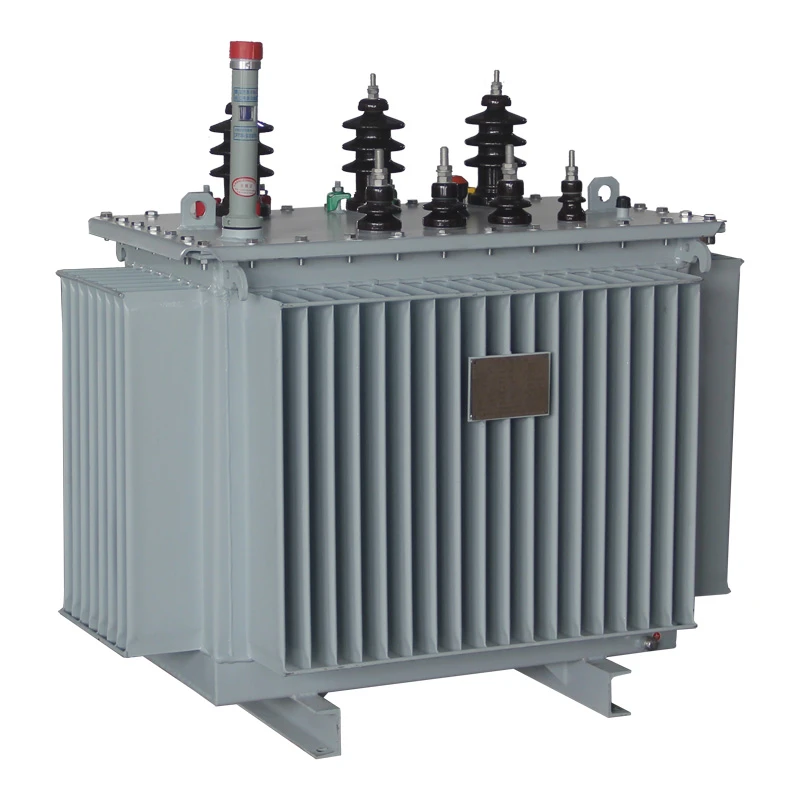
Why Keeping These Records Matters
Maintaining these records is not just about compliance; it's about protecting your investment. By having a detailed history of your transformer's maintenance and performance, you can make informed decisions about its operation, maintenance, and replacement.
For example, if you notice a trend of increasing temperature or decreasing insulation resistance, you can take proactive measures to address the issue before it leads to a major failure. These records can also be valuable when it comes to selling or upgrading the transformer, as they provide potential buyers or users with a clear picture of the transformer's condition.
Contact Us for Your Transformer Needs
If you're in the market for an Oil Filled Water Cooled Transformer, or if you're looking for advice on maintaining your existing transformer, we're here to help. We also offer other types of transformers, such as Oil Immersed Self Cooled Transformer and Oil Immersed Distribution Transformer.
Don't hesitate to reach out to us for more information or to discuss your specific requirements. We're committed to providing high-quality transformers and excellent customer service.
References
- Electrical Power Transformer Engineering by Turan Gonen
- Transformer Maintenance and Testing by A. K. Sinha