

Hey there! I'm a supplier of medium power transformers, and I know how crucial it is to keep these transformers in top - notch condition. In this blog, I'll share some tips on how to diagnose the failures of a medium power transformer.
1. Visual Inspection
The first step in diagnosing a transformer failure is a good old - fashioned visual inspection. You'd be surprised at how many issues can be spotted just by taking a close look.
Check the exterior of the transformer for any signs of physical damage. Look for cracks in the casing, which could indicate overheating or mechanical stress. Leaking oil is another big red flag. Oil is essential for cooling and insulation in a transformer, so if you see oil pooling around the base or seeping through gaskets, it's a clear sign that something's wrong.
Inspect the bushings as well. These are the insulating structures that allow electrical connections to enter and exit the transformer. Any signs of discoloration, cracking, or arcing on the bushings can point to insulation breakdown.
2. Temperature Monitoring
Temperature is a key indicator of a transformer's health. Most medium power transformers come equipped with temperature sensors. Regularly check the temperature readings. If the transformer is running hotter than normal, it could be due to a variety of reasons.
Overloading is a common culprit. If the transformer is being asked to handle more power than it's rated for, it will generate more heat. Another possibility is a problem with the cooling system. Maybe the fans aren't working properly, or the radiator fins are clogged with dirt and debris.
You can also use an infrared thermometer to take spot - readings on different parts of the transformer. Hot spots can indicate areas of high resistance, which could be caused by loose connections or damaged windings.
3. Oil Analysis
Transformer oil serves multiple purposes, including insulation and cooling. Analyzing the oil can provide valuable insights into the transformer's condition.
One important test is the dissolved gas analysis (DGA). When there are internal faults in the transformer, such as overheating or arcing, gases are produced and dissolved in the oil. By analyzing the types and concentrations of these gases, you can get an idea of what kind of fault is occurring. For example, high levels of methane and ethane can indicate overheating, while acetylene is often a sign of arcing.
You should also check the oil's dielectric strength. This measures the oil's ability to withstand electrical stress without breaking down. A low dielectric strength can mean that the oil is contaminated or has degraded over time.
4. Electrical Testing
There are several electrical tests that can be performed on a medium power transformer to diagnose failures.
The winding resistance test is used to check for short - circuits or open - circuits in the transformer windings. By measuring the resistance of each winding, you can compare the values to the manufacturer's specifications. A significant deviation could indicate a problem with the winding.
The insulation resistance test is another important one. This test measures the resistance between the windings and the transformer's core or ground. A low insulation resistance value can suggest insulation degradation, which could lead to electrical breakdown.
5. Sound and Vibration Analysis
Transformers make a certain amount of noise during normal operation. However, any unusual sounds or vibrations can be a sign of trouble.
A humming sound is normal, but if you start to hear a loud, buzzing, or crackling noise, it could indicate arcing or a loose connection inside the transformer. Excessive vibration can also be a problem. It might be caused by mechanical issues, such as loose parts or misalignment.
You can use a vibration sensor to measure the amplitude and frequency of the vibrations. If the readings are outside the normal range, it's time to investigate further.
Types of Medium Power Transformers and Their Common Issues
We supply a variety of medium power transformers, such as the 35kv Power Transformer, SH25 Amorphous Alloy Transformer, and 110kv Power Transformer.

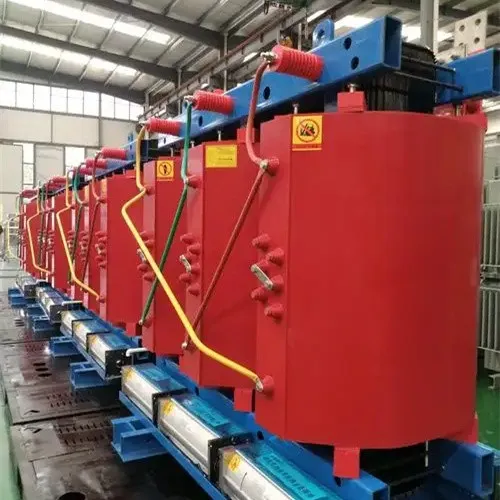
The 35kv power transformer is often used in distribution networks. One common issue with these transformers is insulation aging. Over time, the insulation materials can break down due to factors like heat, moisture, and electrical stress. This can lead to partial discharges and eventually, a complete insulation failure.
The SH25 amorphous alloy transformer is known for its energy - efficiency. However, the amorphous alloy core can be sensitive to mechanical stress. If the transformer is subject to rough handling during installation or transportation, it can cause damage to the core, which will affect its performance.
The 110kv power transformer is a high - voltage transformer used in substations. These transformers are more complex and have a higher risk of internal faults. For example, problems with the tap - changer, which is used to adjust the voltage, can lead to voltage fluctuations and damage to the transformer.
When to Call in the Experts
While you can do a lot of basic diagnostics on your own, there are times when it's best to call in the professionals. If you've tried all the above methods and still can't figure out what's wrong, or if you suspect a serious internal fault, it's time to get help.
Professional technicians have the specialized equipment and expertise to perform more in - depth tests and repairs. They can also provide you with a detailed report on the transformer's condition and recommend the best course of action.
Conclusion
Diagnosing the failures of a medium power transformer is a multi - step process that involves visual inspection, temperature monitoring, oil analysis, electrical testing, and sound and vibration analysis. By regularly checking your transformers and being aware of the common issues associated with different types of transformers, you can catch problems early and prevent costly breakdowns.
If you're in the market for a medium power transformer or need more information on transformer maintenance and diagnostics, don't hesitate to reach out. We're here to help you make the right choice and keep your transformers running smoothly.
References
- Electrical Power Transformer Engineering by Turan Gonen
- Transformer Testing Handbook by Bimal K. Bose